American Bully Training: Strength, Stigma, and Structure
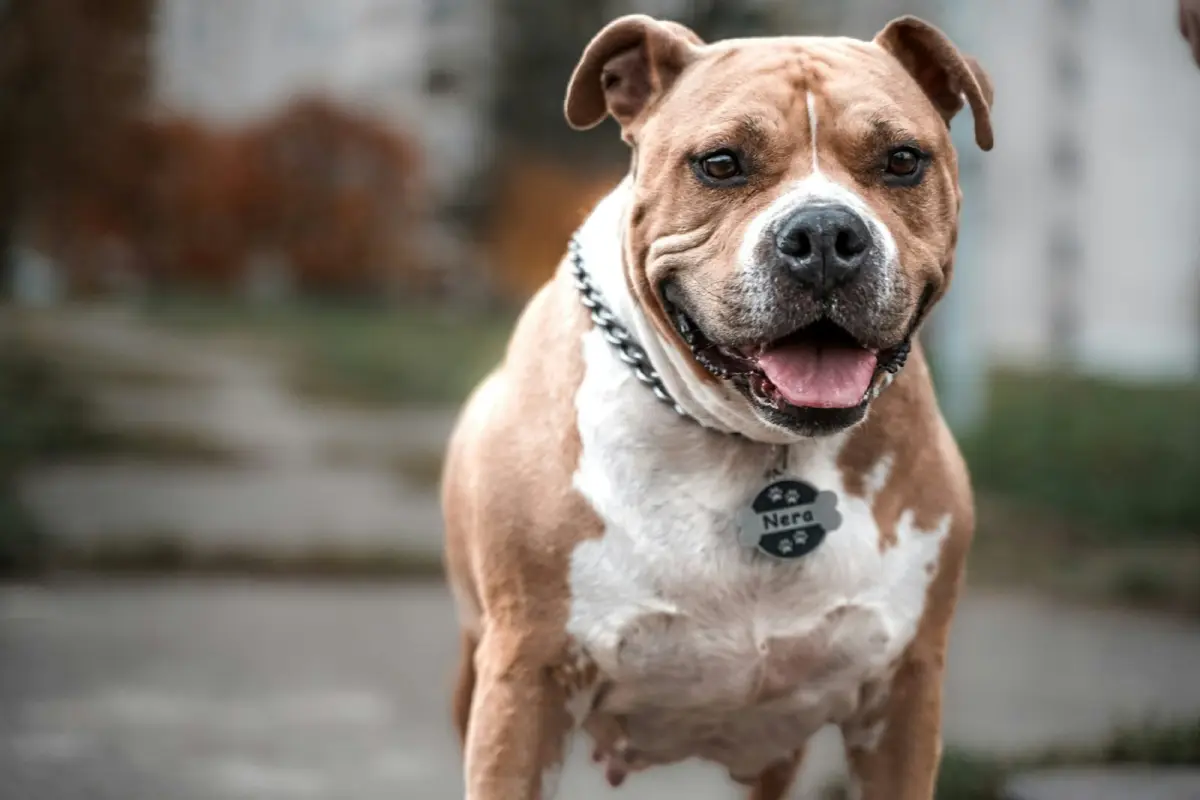
Strength, Stigma, and Structure
Everyone thinks the problem with Bullies is aggression. It's not. It's impulse control. The breed is built like a tank with the self-regulation of a toddler.
Every out-of-control Bully I meet in Miami has the same story: sweet puppy, bought for the look, zero structure installed early. By 14 months it's dragging the owner down the sidewalk and the owner is asking if there's a "gentler" way to fix it. There isn't. There's just training.
The American Bully is not a Pit Bull, despite frequent confusion. The breed was developed from American Pit Bull Terrier and American Staffordshire Terrier lines, but selectively bred for companion temperament — calmer, more handler-focused, less prey-driven, more family-oriented. Done right, an American Bully is one of the most stable, family-safe dogs you can own. Done wrong, the breed's strength becomes a liability.
Here's the honest training plan.
The Public Perception Reality
Owning an American Bully in South Florida means navigating public perception. People mistake the breed for "Pit Bulls." Insurance companies sometimes refuse coverage. Apartment communities sometimes restrict the breed. Strangers sometimes cross the street to avoid you.
The fix isn't to argue with public perception. The fix is to own a visibly trained American Bully — a dog who walks calmly on a loose leash, holds a place command at the cafe, ignores reactive dogs on the sidewalk, and projects confidence and stability without aggression.
The trained Bully changes minds. Every well-behaved Bully in public is good for the breed's reputation. Every untrained, reactive, lunging Bully reinforces the worst stereotypes. The training is not just for your dog's benefit. It's for the breed's future.
What the American Bully Actually Is
The breed standard emphasizes:
- Friendly, confident temperament
- Stable around children and family members
- Lower prey drive than original APBT lines
- Powerful physical structure (40 to 120+ pounds depending on size class)
- Generally good with people
- Variable with other dogs (depends on socialization and individual)
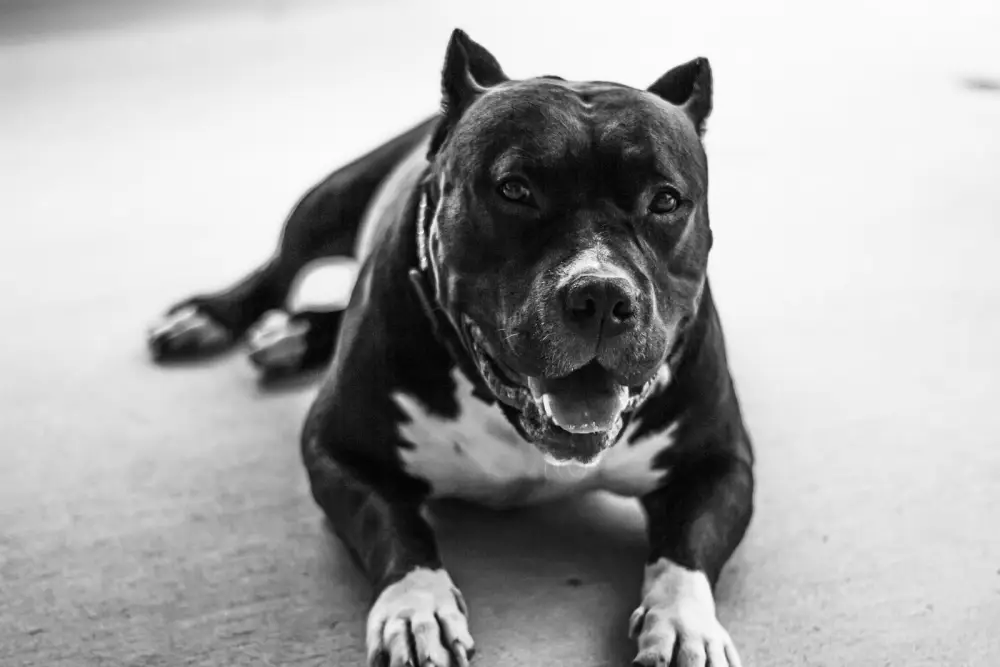
The Strength Reality
A typical American Bully weighs 50 to 90 pounds (some XL lines exceed 120). The breed is powerful, athletic, and physically capable in ways most owners don't fully appreciate until adolescence. A 4-month-old puppy who pulls a little is an annoyance. A 14-month-old who pulls hard can drag the average adult down the sidewalk.
The training has to start before the strength becomes uncontrollable. By 6 months, the dog should have:
- Solid loose-leash walking skills
- Reliable threshold control at every doorway
- Foundation place command
- Beginning impulse control framework
- Crate confidence
Client case: Brick, an 85 lb American Bully in Hialeah, had gotten too strong for his owner's mother to walk — a dead pull every time a bird flew by. Zero aggression, just raw size without structure. 4-week Board and Train with heavy heel work. Brick now holds a structured heel for a full lap around the Amelia Earhart Park loop, even past the pack of loose chickens near the entrance.
Training the American Bully
Foundation
Standard skills with extra emphasis on:
Loose-leash walking. A pulling Bully is a public liability. The leash work has to be polished, with prong collar typically appropriate for adult dogs, and the dog has to maintain heel position around all distractions.
Place command. The visible off-switch matters specifically with this breed. A Bully holding a place command at an outdoor restaurant changes how strangers perceive the breed. Build place to 30+ minutes against real distractions.
Impulse control. The breed's strength means impulse control failures have larger consequences. Build the framework — food bowl exercises, leave it, threshold control — to a high standard.
Recall. Same priority as any breed, with the added consideration that off-leash work in public should be approached more conservatively due to public perception.
Socialization
The American Bully needs aggressive, structured socialization. Not dog park chaos — structured exposure to many people of varying types, many environments, calm well-mannered adult dogs (controlled introductions, never dog park free-for-all), children at safe distance progressing closer with handler control, and handling by strangers (vets, groomers, friends).
Skip this work and you risk a fear-reactive or stranger-suspicious adult dog. Both are bad for the breed and bad for your life with the dog.
Adolescence
The American Bully adolescent phase (8 to 18 months) tests every piece of the foundation. The dog will push back. They'll forget commands they knew perfectly. They'll test thresholds. This is normal and developmentally expected.
The fix: hold the structure. Don't escalate. Don't give in. Don't abandon the rules because the dog is "going through a phase." Adolescence passes faster when the rules don't change.
The Children and Family Standard
American Bullies are typically excellent family dogs when properly trained. The breed bonds heavily, tolerates handling well, and has good instincts around children. The standard for a family Bully includes:
- Calm during high-energy kid play
- No mouthiness during interactions with children
- Reliable place command when guests with kids visit
- Tolerates being climbed on, hugged, dressed up, used as a pillow (within reason)
- Recognizes children as a different category requiring different handling
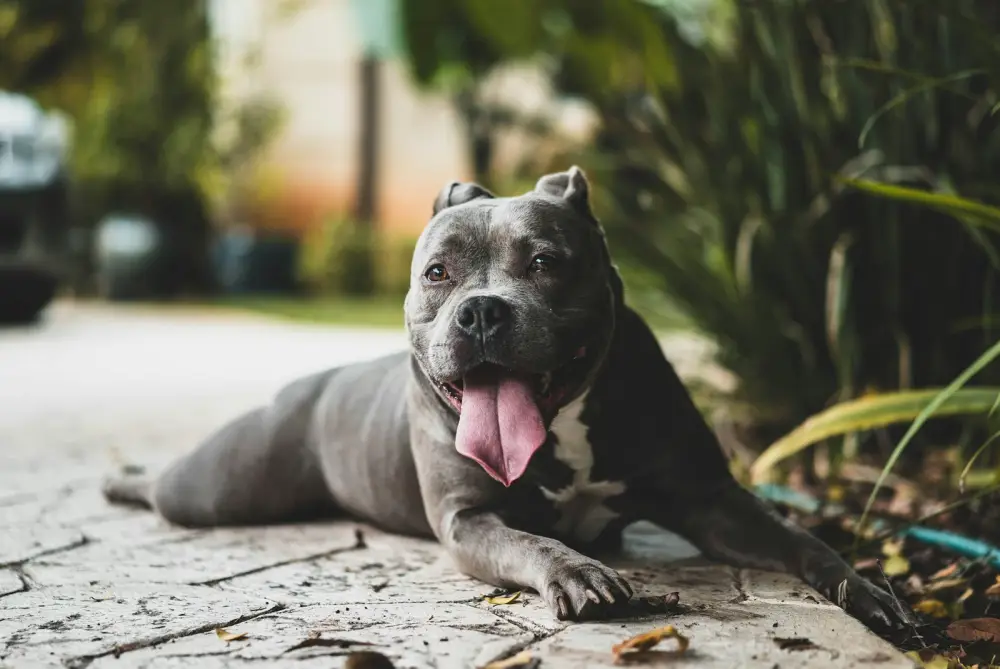
The South Florida Bully Considerations
Specific local issues:
- Heat — same protocol as other muscular short-coated breeds. Pre-7 AM, post-8 PM in summer.
- Insurance and housing — verify your home policy and HOA rules cover the breed
- Public spaces — many South Florida public spaces are dog-friendly but specifically mention "no aggressive breeds." A trained Bully is welcome; a reactive one is not
- Beach and water access — the breed often loves water; build swim confidence early
The Common Bully Cases
What we see most often at Unleash'd K9:
- Adolescent Bullies whose strength has overwhelmed the family
- Reactive Bullies who weren't properly socialized
- Resource guarding emerging in undersocialized lines
- Dogs whose owners are dealing with HOA or insurance pressure
- Family Bullies who are dangerous around kids due to lack of impulse control
- Dog-selective Bullies who can't be safely walked in dense neighborhoods
The Move
If you own an American Bully in South Florida, the training matters more than for most breeds — for your dog, for your family, for your insurance, and for the breed's reputation. Don't skip it. Don't delay it.
Book a free assessment or text 786-755-5857. We work with Bullies regularly. We'll tell you exactly what your dog needs and how to deliver the visibly trained dog the breed deserves.
Structure creates calm. Calm creates reliability. With an American Bully, both are required — for the dog and for the breed.
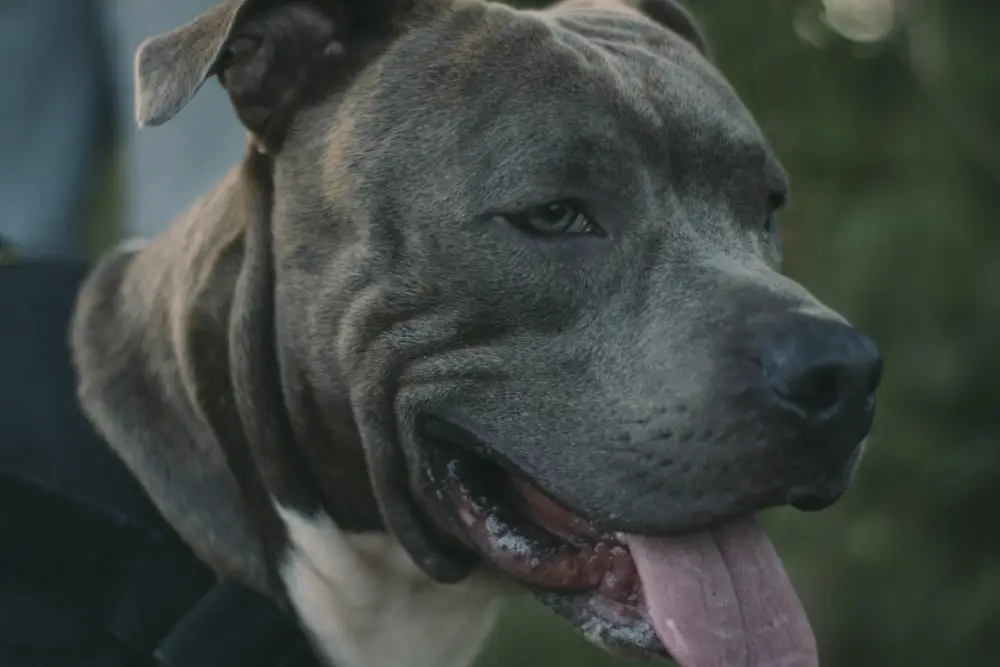
The Final Word on American Bullies
A visibly trained American Bully changes the public conversation about the breed every time they appear in public. Those owners are the ones doing the most for the breed's future. If you own one, the training isn't just for you and your dog — it's for the next generation of owners and dogs who'll benefit from your example.
Real Results
My eight-month bully was eighty pounds of muscle dragging me around Hialeah every morning. I was strong enough to hold him but not skilled enough to lead him. Andre's first session was a leash mechanics rebuild — and I had to stop letting him win the leash. Three weeks later, the walks were calm. Same dog, same gear, different handler.
— Lucas, Hialeah
Book a Free AssessmentYour Bully Needs Structure, Not Bribes
Book your free assessment -- we'll build a plan specific to the breed. 786-755-5857
Book Free AssessmentUnleash'd K9 | North Miami, FL | unleashdk9.com | 786-755-5857
Making Sit Happen.