The Anxious Adolescent: Why 8 to 18 Months Breaks So Many Dogs

The Phase That Breaks Households
Your dog isn't going through a "phase." They're testing every boundary you set — or didn't set — in the first year. Adolescence doesn't cause behavior problems. It exposes them.
The puppy was sweet. The 6-month-old was easy. Then at 8 months the same dog starts ignoring known commands, pulling on the leash, getting reactive on walks, and the owner is exhausted, confused, and starting to whisper the word "rehome" at the kitchen table.
This is canine adolescence — the 8 to 18 month window where most dogs become fundamentally different from the puppies their owners raised. It breaks more households than any other developmental phase. And the worst part: most owners think their dog is broken when the dog is just developmentally normal.
Here's what's actually happening, and how to get through it.
What's Happening Biologically
Adolescent dogs are going through:
- Massive hormonal changes (testosterone surge in intact males, estrogen cycles in intact females, endocrine shifts in neutered dogs)
- Brain restructuring as juvenile patterns dissolve and adult patterns form
- A second fear period (typically around 8 to 14 months)
- Establishing position in the household and broader social world
- Testing the structure and rules they were raised with
This is normal. It is also the most critical phase of training because what gets locked in during adolescence becomes the adult dog you live with for the next 10 to 14 years.
The Common Adolescent Behaviors
What you're likely to see during the 8 to 18 month window:
Selective hearing. The dog "forgets" commands they knew perfectly. Recall fails. Sit becomes negotiable. Place command duration drops.
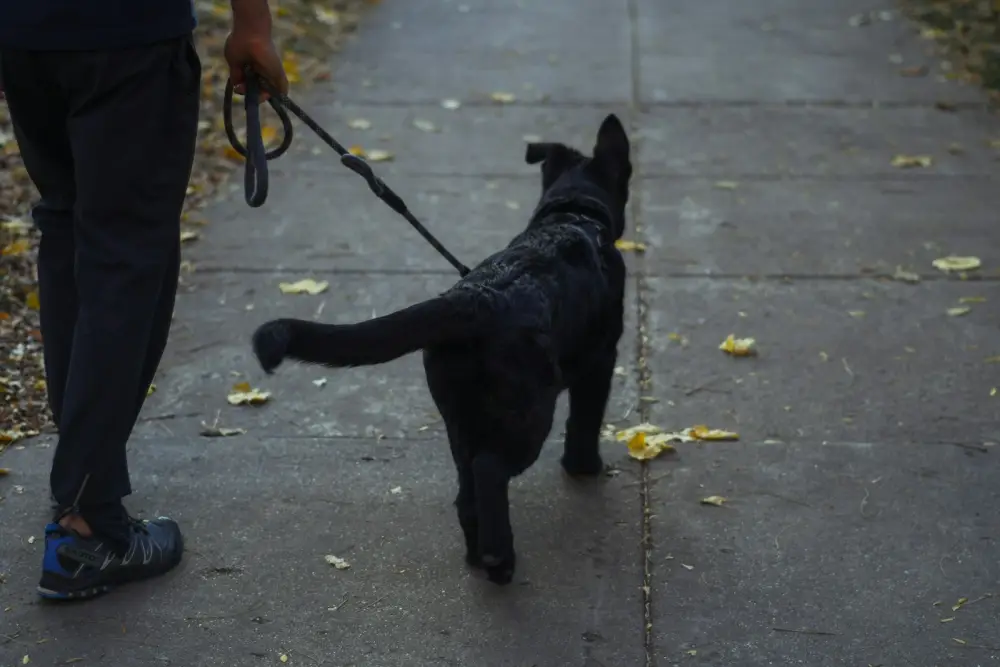
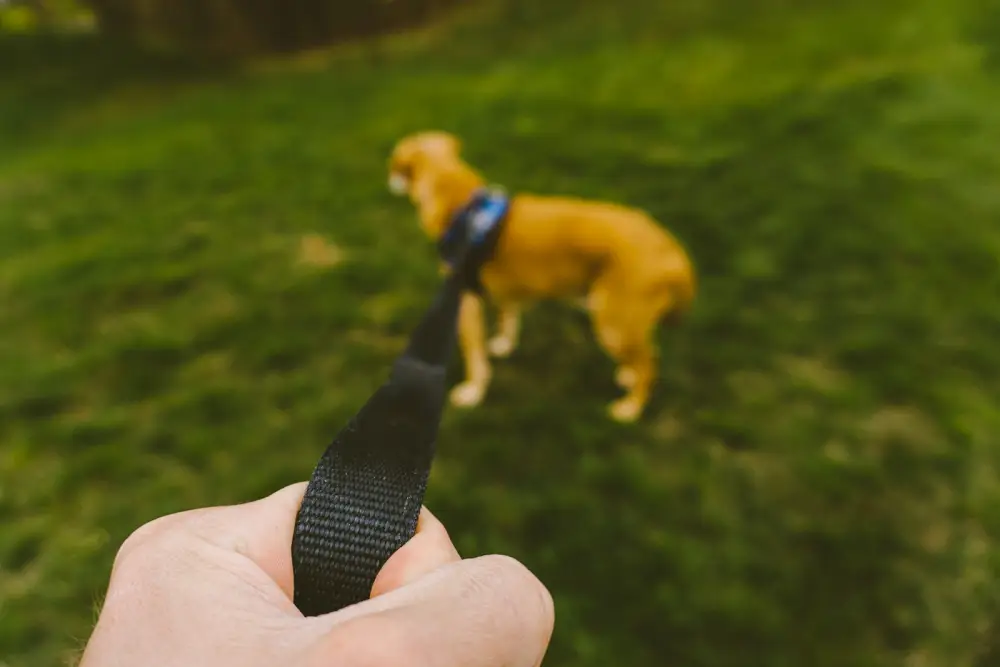
Increased pulling. Loose-leash walking erodes. The dog wants to investigate everything and the leash becomes an obstacle.
Reactivity onset. Dogs who were neutral with other dogs become reactive. Dogs who were calm with strangers become suspicious. The fear period during this window can imprint reactivity if not managed.
Threshold breaking. The dog who waited at the door now pushes through. The dog who held place now breaks. Established structures get tested.
Resource emergence. The dog starts claiming things. Food, sleeping spots, toys, sometimes people. Resource guarding can appear during this window even in dogs who showed no prior signs.
Increased arousal. The dog cannot settle. They pace, demand, pant, whine. The off-switch erodes.
Anxiety symptoms. Some dogs develop separation anxiety, sound phobia, or generalized anxiety symptoms during adolescence. The brain restructuring sometimes manifests as new fears.
If you're seeing several of these behaviors in your 8 to 18 month dog, your dog is not broken. Your dog is a teenager. The fix is the same as raising any teenager: hold the structure, don't change the rules, ride out the phase with consistency.
What Owners Do Wrong
The most common adolescence mistakes:
1. Loosen the rules. "He's struggling, let's give him a break." This is the worst possible response. The adolescent dog needs more structure during this phase, not less. Loosened rules during adolescence become the adult dog's permanent baseline.
2. Escalate corrections. When the dog tests, the owner gets frustrated and starts punishing harder. This damages the relationship without fixing the behavior. The dog doesn't need harsher consequences — they need consistent ones.
3. Stop training. "He's too crazy to train right now." This is exactly when training matters most. Skipping sessions during adolescence loses ground that's hard to regain.
4. Add a second dog. Bringing in a puppy to "tire out" the adolescent. This usually makes everything worse. You now have an adolescent dog and a puppy, both undertrained.
5. Rehome. Some owners give up during the worst weeks of adolescence. The dog gets surrendered. The next family inherits an under-trained adolescent and the cycle continues.
The dogs who come out of adolescence stable, trained, and reliable are the dogs whose owners held the line through the hardest weeks.
The Adolescent Survival Protocol
The framework for surviving canine adolescence:
Step 1: Maintain or Increase Daily Structure
Same schedule, same rules, same expectations. Wake up at the same time. Walk at the same time. Train at the same time. The structure is the anchor.
If anything, increase the structure. More crate time. More place command. More obedience drills. The dog needs a job and a clear leader, even more than during puppyhood.
Step 2: Don't Negotiate
Every command means what it meant a month ago. Sit means sit. Place means place. The dog will test — that's the developmental task. Hold the standard. Don't let "he was good for so long" become "I gave up because he tested me."
Step 3: Re-Proof Everything
Take every skill back to basics. Practice sit-stays in low-distraction environments first. Build duration. Build distance. Add distractions slowly. The skills aren't gone — they need to be reinstalled in the adolescent brain, which is a different brain than the puppy brain.
Step 4: Address Reactivity Early
If your dog is becoming reactive during this window, do not wait. The fear period imprints. A bad experience during adolescence can lock in lifelong reactivity. Get professional help at the first signs — see our reactivity protocol for the framework.
Step 5: Be Patient
Adolescence ends. Most dogs stabilize between 18 and 24 months. The teenager you have right now will become an adult dog within a year. The work you put in during adolescence determines what kind of adult dog you get. The dogs raised with consistency through this phase become the easiest, most reliable adult dogs to live with.
When Professional Help Is Required
If your adolescent dog is:
- Showing reactivity that wasn't there before
- Resource guarding for the first time
- Becoming impossible to walk on leash
- Developing anxiety symptoms (separation, sound, generalized)
- Pushing back hard against established structure
- Becoming dangerous around children, guests, or other dogs
For most adolescent cases, the 4-week board and train is highly effective. The intensive structural reset gives the adolescent brain a clear pattern to lock into, and the transfer sessions equip the family to maintain it through the rest of adolescence. Private sessions work for milder cases or for owners who have time for daily structured work.
The Move
If you're in the middle of adolescent hell with your 8 to 18 month old, you're not failing. The dog isn't broken. You're in the most challenging phase of dog ownership and you're not equipped with the right framework.
Book a free assessment or text 786-755-5857. We work with adolescent dogs every week. We know the patterns, the timeline, and the protocol that gets families through this phase to the stable adult dog on the other side.
Structure creates calm. Calm creates reliability. Adolescence ends. The dog you build during it lasts the rest of their life.
The Other Side of Adolescence
Most dogs stabilize into calm, reliable adults between 18 and 24 months. The teenager you're dealing with right now becomes the dog you wanted within a year — if you held the structure. The investment is brutal in the moment and transformative in the long view. Hang in there.
Your Adolescent Dog Isn't Broken
The routine is. A structured training program fixes this in weeks, not months. Book a free assessment. 786-755-5857
Book Free AssessmentUnleash'd K9 | North Miami, FL | unleashdk9.com | 786-755-5857
Making Sit Happen.