Bernese Mountain Dog Training: The Gentle Giant Who Still Needs Rules

The Gentle Giant Who Still Needs Rules
Everyone assumes Berners are easy because they're sweet. Sweet doesn't mean trained. A 100-lb dog with no impulse control isn't gentle — it's dangerous.
The Bernese Mountain Dog is the breed that fools owners into thinking training is optional. They're slow. They're patient. They're spectacularly good with kids. They radiate calm energy from the moment they're puppies — which is exactly why the structure gap gets missed until they hit 90 pounds and they want the couch and they don't want to give it back. Until they decide the front door is theirs to defend. Until the gentle giant becomes a 110-pound force the family can't physically manage.
In South Florida, the Berner faces an additional challenge: the climate. This is a Swiss mountain breed designed for snow and cool air. Living one in Miami requires structural and lifestyle adjustments most owners don't make. Here's the honest guide.
The Berner Temperament
Bernese Mountain Dogs are calm, affectionate, family-oriented, and bonded heavily to their household. They are typically good with children, tolerant of handling, and slow to escalate. They are not high-drive, not high-arousal, not naturally reactive.
The downside of all this gentleness: owners often skip the foundational training because the dog "doesn't seem to need it." A sweet, calm puppy at 3 months becomes a 60-pound adolescent at 8 months who doesn't recall, doesn't heel, doesn't respect thresholds, and doesn't move when asked because no one trained those things while they were small enough to physically manage.
By 14 months, the family realizes the gentle giant has 110 pounds of opinions and minimal obedience to manage them.
The South Florida Heat Reality
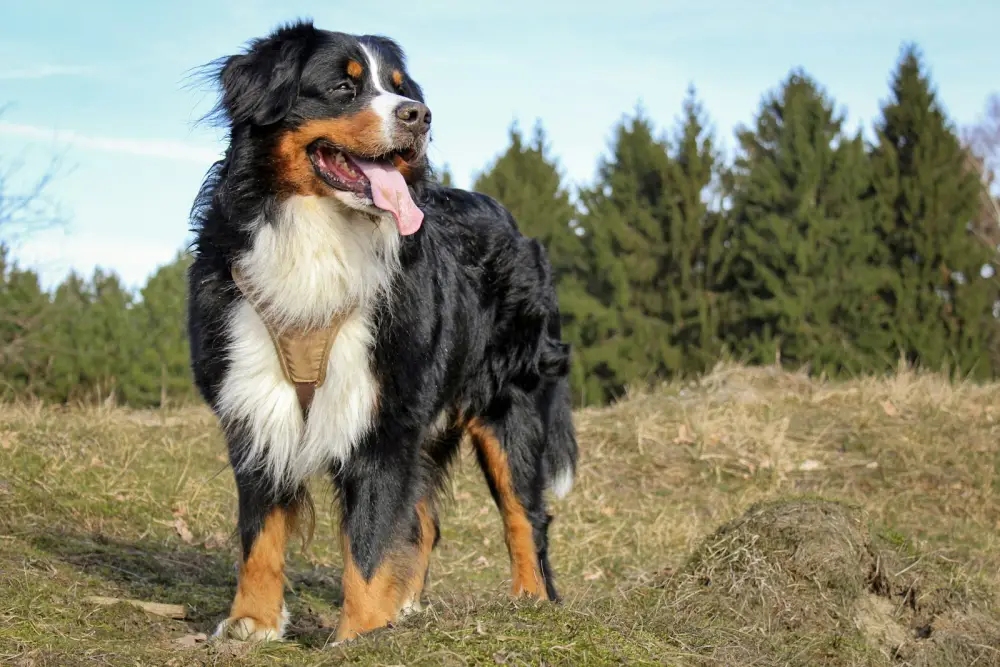
Bernese Mountain Dogs are double-coated mountain dogs. The breed is fundamentally incompatible with Miami summers. Heat stroke is a real risk. Heart strain is a real concern. Quality of life suffers in every July through September stretch.
If you own a Berner in South Florida, the management is non-negotiable:
- Outdoor exercise pre-7 AM and post-8 PM only, May through October
- AC at all times during the day — the Berner is an indoor dog in summer Miami
- Pool access if available (excellent for the breed, satisfies exercise without heat)
- Cooling mats and elevated cots for daytime rest
- Vigilant watching for heat exhaustion
- Never shave the coat — the double coat insulates against heat as well as cold
The Slow-Maturity Reality
Berners mature slowly — both physically and behaviorally. Puppies grow rapidly (60+ pounds by 8 months) but mentally they remain puppy-like until age 2 or 3. This creates a unique challenge: a dog who is physically adult but behaviorally adolescent for a long, long time.
The structure has to be installed early, before physical size makes correction impossible, and held consistently through years of mental adolescence. A Berner who learned the rules at 3 months and held them through 24 months is a calm, trained 110-pound adult. A Berner who skipped the foundation is a 110-pound problem.
Training the Berner
Foundation Priorities
Same skills as every breed. With Berners specifically, the protocol must be installed while the dog is still small. Critical priorities:
- Loose leash walking before 5 months. A Berner who learned to pull will pull for life, and at 100+ pounds, pulling is dangerous.
- Threshold control before 6 months. A Berner who barges through doors will continue barging through doors and will eventually knock over a child or grandparent.
- Place command before 6 months. A Berner who has never learned to settle on command will own the couch and the bed and will resist relinquishing them when finally asked.
- Recall before 5 months. A Berner who never learned to come will not start coming when they're 14 months old and have decided they prefer the squirrel.
Slow, Patient Sessions
Berners are not high-energy, intense workers like Border Collies or Vizslas. They are deliberate, methodical learners. Training sessions should be calm, patient, and reward-rich. Don't push for speed. Push for correctness. The Berner will eventually offer the behavior reliably — they just take longer to commit to a pattern than faster-learning breeds.
Handling Tolerance
Berners need extensive handling tolerance because the breed is prone to hip dysplasia (will require veterinary handling), coat care (regular brushing, occasional grooming), bloat (chest area sensitivity), and various age-related conditions requiring vet visits.
Start handling exercises at 8 weeks. Touch paws, ears, mouth, hips, belly. Build the dog who accepts being examined without protest. The breed's gentle nature usually makes this easy if you start early.
The Health Reality That Affects Training
Berners have unfortunately short lifespans (6 to 8 years average) and are prone to hip and elbow dysplasia, cancer (the leading cause of Berner death), bloat, heart issues, and joint problems.
These health realities affect training. High-impact exercise — jumping, running on hard surfaces, repetitive fetch on concrete — accelerates joint damage. The breed shouldn't be over-exercised in adolescence. Swimming and structured walking are better than running. Listen to the dog's energy and limits.
The Common Berner Cases at Unleash'd K9
What we see most often:
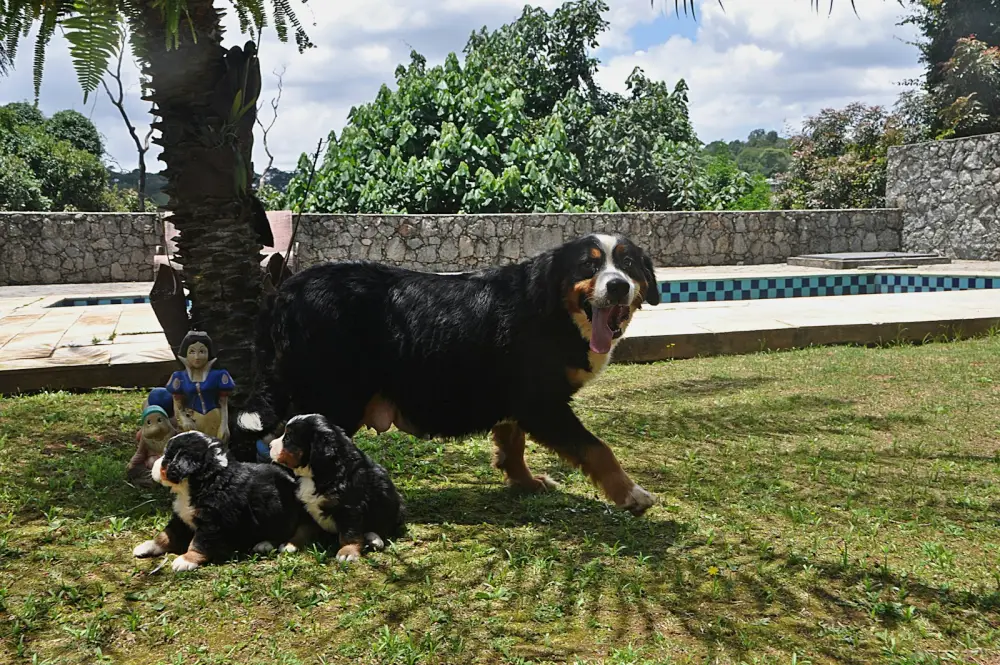
- Adolescent Berners (8 to 18 months) who have outgrown the family's ability to physically control them
- Resource guarding emerging around the couch, the bed, or food
- Door dashing — dangerous in any breed but especially in a 100-pound dog
- Reactivity that wasn't addressed during socialization
- Heat-related management issues during owner training mistakes
- Multi-dog households where the Berner has become the dominant force without owner leadership
The Honest Berner Question for Miami
Before getting a Berner in South Florida: are you prepared for an indoor-dominant dog 5+ months a year, are you committed to AC management and pre-dawn walks, are you ready for a short-lived breed (the heart-breaking part of Berner ownership), and can you start the structural training the week you bring the puppy home?
If yes, the Berner is one of the most rewarding family dogs you can own. If no, consider a breed better suited to Miami's climate and your lifestyle.
The Move
If you own a Berner in South Florida and the gentle giant has become an unmanageable adult, do not wait. The breed's size means problems compound fast and physical management becomes impossible.
Book a free assessment or text 786-755-5857. We work with Berners and large breeds regularly. We'll evaluate the dog and the home and tell you exactly what needs to change.
Structure creates calm. Calm creates reliability. Even 110 pounds of gentle giant needs the rules.
The Final Word on Berners
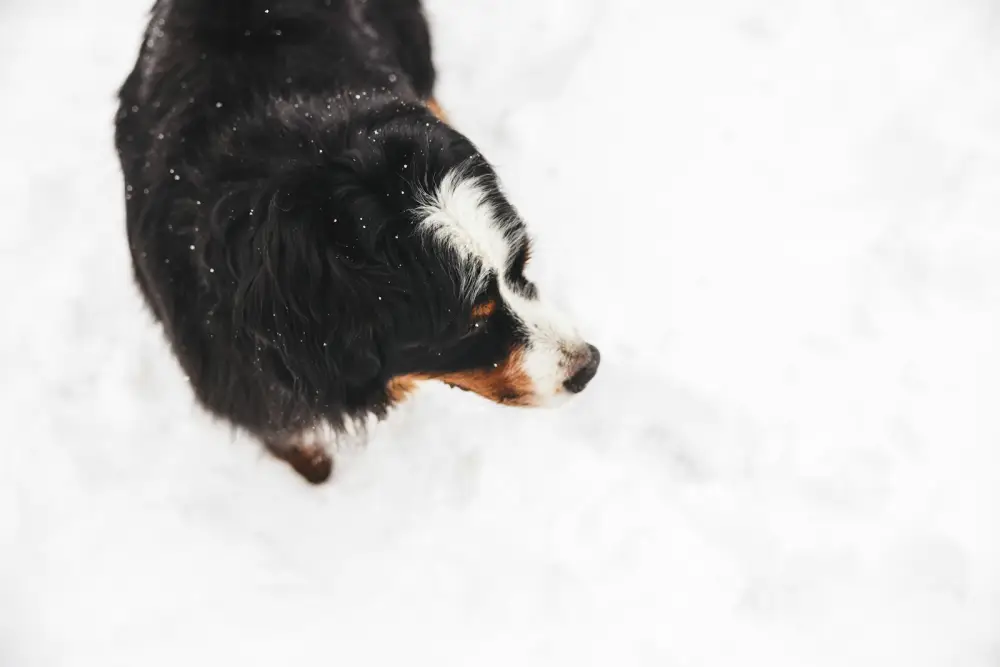
The Berner who is properly trained from puppyhood is one of the most rewarding family dogs in existence. The breed's warmth, gentleness, and bonded presence make every day better. The short lifespan is the heartbreak. The work you do early ensures every year is a good one for both of you.
Gentle Giant or 100-lb Problem?
Structure makes the difference. Free assessment -- 786-755-5857
Book Free AssessmentUnleash'd K9 | North Miami, FL | unleashdk9.com | 786-755-5857
Making Sit Happen.