Heel vs. Loose Leash: The Two Different Walks Every Dog Needs to Know
Two Walks, Two Jobs
Most dog owners think "walking the dog" is one activity. It's not. There are two fundamentally different walks, and every dog needs both. Confusing them — or only doing one — is why most dogs are a mess on the leash.
The two walks are Heel and Loose Leash. Here's the difference, when to use each, and how to train both.
What Heel Is
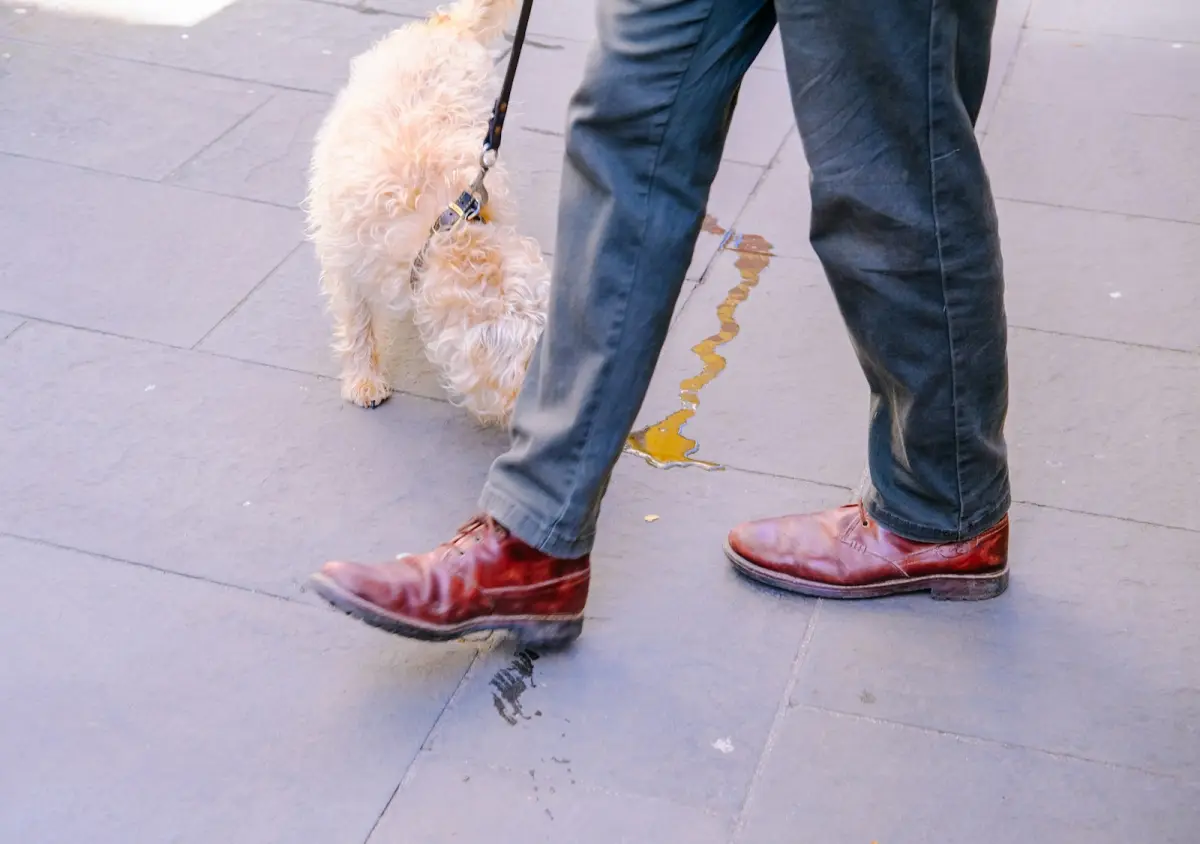
Heel is a formal, structured position: the dog walks at your left side, their shoulder aligned with your knee, on a loose leash, matching your pace and direction changes. The dog is not sniffing. The dog is not pulling. The dog is not making decisions. They are working.
Heel is a command. It has a start and an end. When the dog is in heel, their job is to focus on you, maintain the position, and follow your movement. It requires impulse control, spatial awareness, and sustained attention.
When to Use Heel
- Walking through a crowded sidewalk in Brickell
- Passing another dog on a narrow path
- Walking through a parking lot
- Entering and exiting a building
- Transitioning through any high-distraction environment
- Any time you need the dog locked in and focused
Heel is the working walk. It's high-effort for the dog. It's mentally demanding. A dog who heels for 15 minutes straight has done serious work.
What Loose Leash Is
Loose leash walking is the casual walk. The dog walks on a relaxed leash — no pulling, no tension — but they're free to move side to side, sniff the ground, and explore their environment. They're on your team but not in formation.
The rules of loose leash: the leash never goes tight. The dog doesn't pull you. The dog doesn't cross in front of you. The dog doesn't lunge at anything. But within those rules, they have freedom.
When to Use Loose Leash
- Decompression walks through a park or trail
- The relaxed portion of a daily walk
- Sniff walks for mental enrichment
- Any low-pressure, low-distraction environment
Loose leash is the decompression walk. It's lower-effort for the dog. It satisfies the sniffing drive, reduces cortisol, and provides mental enrichment through environmental processing.
Why Both Matter
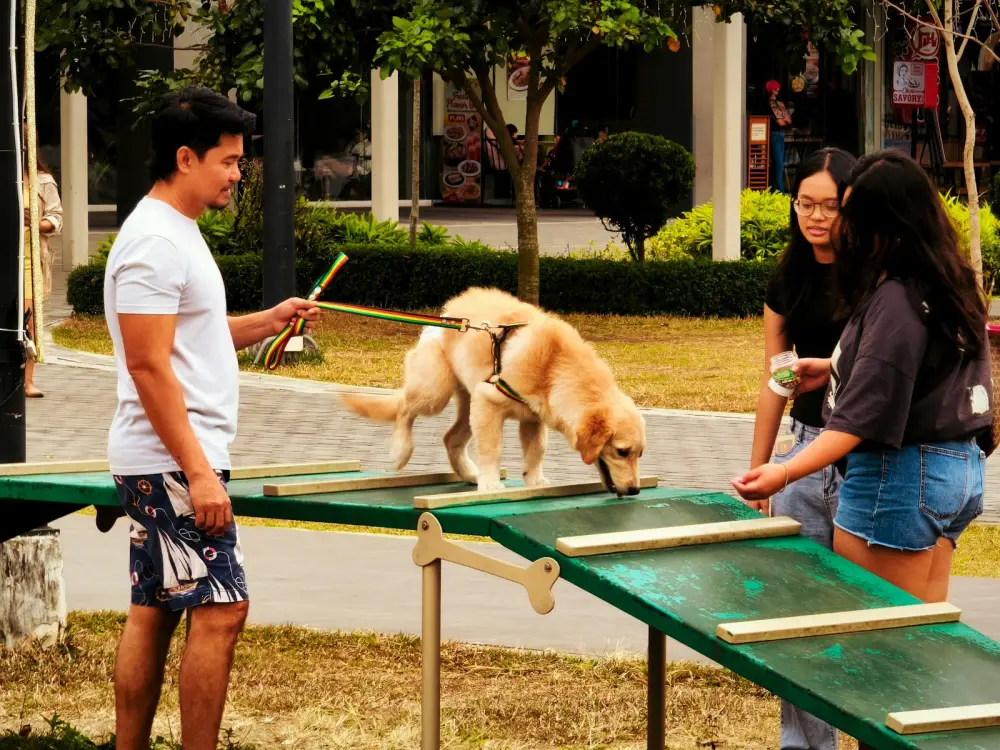
A dog who only knows Heel is a stressed dog. Heel is high-effort, high-focus, and mentally taxing. Asking a dog to heel for a 45-minute walk is like asking a person to stand at attention for an hour. It's unreasonable and it burns the dog out.
A dog who only knows Loose Leash (or more accurately, a dog who's never been taught Heel) is an uncontrolled dog. They have no "on" switch. When you need focus — passing a reactive dog, navigating a crowd, crossing a street — you have no way to get it.
The ideal walk uses both:
Leave the building: Heel. Structured exit, controlled elevator, focused walk through the lobby.
Hit the sidewalk in a low-traffic area: Loose leash. Let the dog sniff, explore, decompress.
Approach a busy intersection: Heel. Focus on. Cross the street. Navigate the crowd.
Arrive at the park: Loose leash (or long line). Full decompression. Sniffing. Exploring.
Walk home through busy area: Heel. Focus on. Controlled return.
The walk becomes a dance between structure and freedom. The dog knows which mode they're in based on the command, and they adjust their behavior accordingly.
How to Train Heel
Step 1: Position Luring
Stand still. Lure the dog to your left side with a treat. Their shoulder aligns with your knee. Mark: "Yes." Treat. Repeat 20 times until the dog voluntarily offers the position.
Step 2: Moving Heel
Take one step forward. The dog moves with you, maintaining position. Mark: "Yes." Treat. Build to 3 steps. Then 5. Then 10. Then a full room length.
If the dog forges ahead (moves in front of you): stop. Lure them back to position. Restart.
If the dog lags behind: use higher-value treats and a faster pace. Make the position rewarding.
Step 3: Direction Changes
Add left turns, right turns, about-turns, and pace changes. The dog follows your movement and adjusts. Every successful adjustment gets marked and rewarded.
Direction changes are the secret weapon of heel training. They keep the dog engaged because they have to pay attention to what you're doing next. A straight-line walk is boring for the dog. A walk with turns and pace changes is a game.
Step 4: Adding Duration
Build from 30 seconds of continuous heel to 1 minute. Then 3. Then 5. Then 10. Most dogs can hold a working heel for 10 to 15 minutes, which is more than enough for any real-world application.
Step 5: Adding Distractions
Practice heel past food on the ground. Past other dogs at distance. On busy sidewalks. In parking lots. Each distraction is a proofing opportunity. The dog holds position because the skill is strong and the reinforcement history is deep.
How to Train Loose Leash
Step 1: The Penalty Rule
Walk forward. The moment the leash goes tight, stop. Don't pull the dog back. Just stop. Wait. The dog will eventually turn back or create slack in the leash. The moment the leash is loose, start walking again.
The lesson: tight leash means we stop. Loose leash means we go. The dog controls the outcome.
Step 2: Direction Changes
When the dog gets ahead and tightens the leash, change direction. Turn 180 degrees and walk the other way. The dog catches up and the leash goes loose. Continue.
After 50 to 100 direction changes across several walks, the dog starts to monitor the leash tension and self-correct. They learn to stay in the "loose leash zone" because that's what keeps the walk moving.
Step 3: Reinforcing the Zone
Periodically mark and reward the dog when they're walking on a loose leash without being asked. "Good." Treat. This tells the dog: the behavior you're doing right now — walking without pulling — is exactly what I want.
The Transition Command
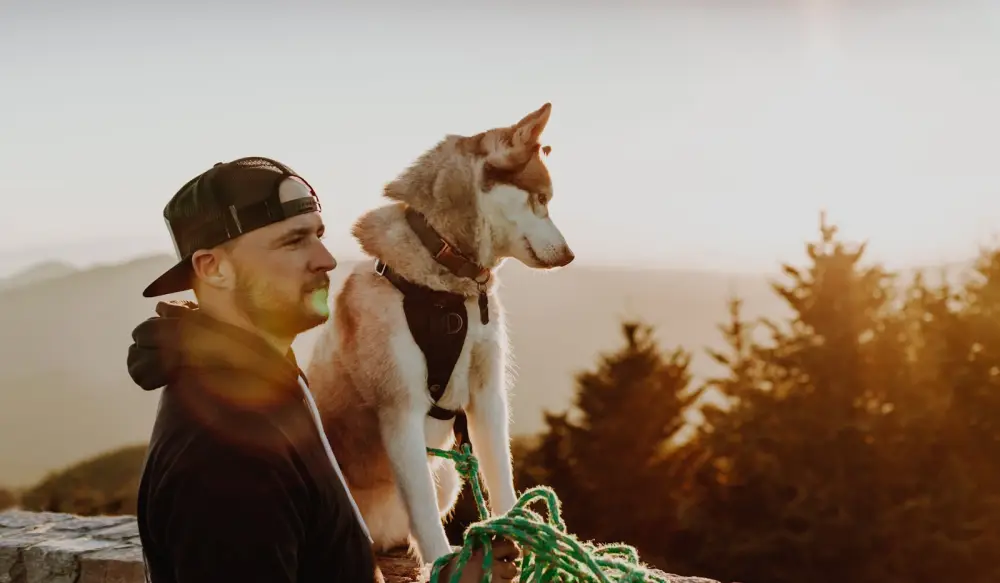
You need a way to switch between modes. At Unleash'd K9, the structure is simple:
"Heel" = formal position. Dog locks in at your left side. Focus on.
"Free" or "Go sniff" = loose leash mode. Dog can explore within the leash length.
The dog hears the command and knows which set of rules applies. No confusion. No guessing. Two distinct walks with two distinct expectations.
The Move
If your dog only has one walk mode — and that mode is "pull forward while you hold on" — you're missing both skills. Build Heel for structure. Build Loose Leash for decompression. Use both every day.
If you want professional guidance to build both walk systems, book a free assessment or text 786-755-5857. We train both walks in every board and train and every private session series. Because a dog who knows when to work and when to relax is a dog who's easy to live with.
Equipment for Each Walk Mode
The tool should match the mode:
For Heel: A 4 to 6 foot leather leash and a prong collar or e-collar (for dogs who have been properly introduced to these tools). The shorter leash and communication collar provide the feedback the dog needs to maintain a precise position. A harness is not appropriate for Heel — it removes your ability to communicate directional changes through the leash.
For Loose Leash: A 6-foot leash and a flat collar. Or a long line in an open environment. The tool is less important during loose leash because the standard is lower — no pulling, but no need for precision position. The dog just needs to keep the leash slack.
Transitioning between modes: Use the verbal command as the switch. "Heel" tightens the standard. "Free" or "Go sniff" loosens it. The dog reads the command and the energy shift. Within a few weeks of consistent practice, the transition becomes automatic — the dog hears "Heel" and snaps into position, hears "Free" and relaxes into exploration mode.
The distinction between these two walks is one of the most important concepts we teach at Unleash'd K9. It's not about rigid control all the time, and it's not about chaos. It's about the dog knowing which mode they're in, and performing accordingly. That's what makes a walk enjoyable for both ends of the leash.
Structure creates calm. Calm creates reliability. Two walks, two jobs, one well-balanced dog.
Client Story
Bought every "no-pull" harness on Amazon. None worked. My rescue still pulled like a sled dog up Lincoln Road. Andre's loose-leash protocol was simpler than I expected — and the missing piece was me. I had to stop letting the leash go tight without correcting it. Three weeks of consistency and the walk became a walk instead of a fight.
— Alex, Miami Beach
Book Private Sessions
Ready to Get Started?
Book a free assessment to evaluate your dog's behavior, discuss your goals, and find the right program. No pressure — just honest answers from a working trainer.
Book Free AssessmentView All Programs
Unleash'd K9 | North Miami, FL | unleashdk9.com | 786-755-5857
Making Sit Happen.


