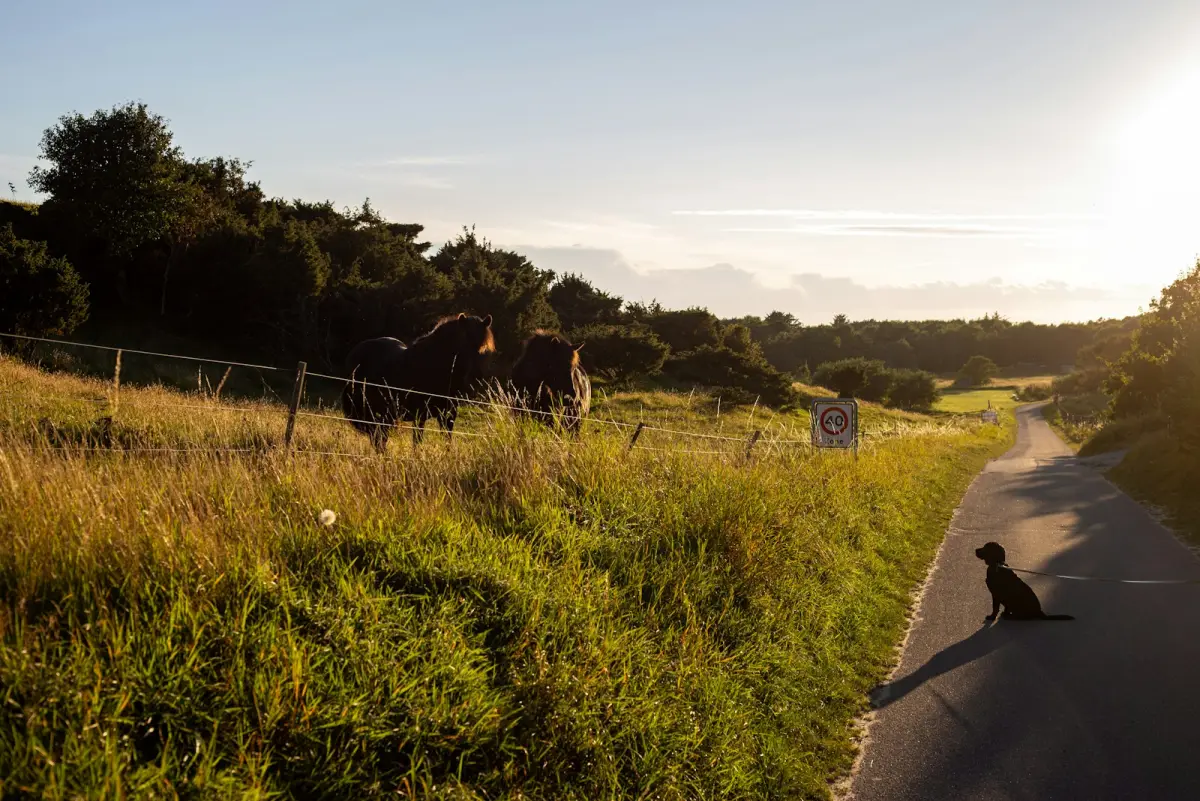
The Long Line: The Most Underused Tool in Dog Training
The Tool Nobody Uses Enough
If I could put one tool in every dog owner's hand tomorrow, it wouldn't be a prong collar, an e-collar, or a clicker. It would be a 30-foot long line.
The long line is the single most underused and most valuable tool in dog training. It bridges the gap between on-leash and off-leash. It gives the dog freedom to explore while maintaining your ability to enforce commands. It's the safest way to build a recall, proof obedience at distance, and give your dog a taste of off-leash life without the risk of losing them.
Every dog owner should own one. Almost no one does.
What a Long Line Is
A long line is simply a lightweight leash that's 15 to 30 feet long. Not a retractable leash — those are spring-loaded nightmares that teach pulling and have zero training value. A long line is a flat nylon, biothane, or cotton rope attached to the dog's collar or harness, with the excess dragging on the ground or loosely managed in your hand.
The dog can range 15 to 30 feet from you. They can sniff, explore, run, and play. But you can step on the line, pick it up, or recall the dog at any moment. The line is your safety net. It guarantees that every recall command can be enforced, every boundary can be maintained, and no "failed" recall becomes a self-rewarding experience for the dog.
When to Use a Long Line
Recall Training (The Primary Use)
The recall is the most important command in dog training, and the long line is how you build one that actually works. Here's the progression:
Step 1: Teach the recall on a 6-foot leash. "Come" means run to me, sit in front of me, every time, first call.
Step 2: Move to the long line. Same command, but now the dog is 15 to 20 feet away. They hear "Come," they run to you, they sit. If they don't, you have the line — a gentle guidance to bring them in. The recall is never optional. The dog learns: this command works at every distance.
Step 3: Increase distractions while on the long line. Practice at parks, near other dogs at a distance, in busy environments. The dog recalls through distraction because the line ensures compliance.
Step 4: Let the line drag. The dog is trailing the 30-foot line, but you're not holding it. The dog has the illusion of off-leash freedom. You recall. If they come, reward. If they don't, you step on the line and guide them in. The dog can't self-reward by ignoring the recall.
Step 5: Transition to off-leash (or e-collar for distance enforcement). By this point, the recall pattern is conditioned. The dog has had hundreds of successful reps on the long line. The behavior is automatic.
Decompression Walks
One of the best uses for a long line is the decompression walk. Take the dog to a quiet field, a nature trail, or a low-traffic park. Let the line drag. Let the dog sniff, explore, investigate — at their own pace, with full nose engagement.
Sniffing is the single most calming activity for a dog's nervous system. A 30-minute decompression walk on a long line reduces cortisol, satisfies the dog's primary sensory drive, and produces a calmer, more settled dog at home.
We prescribe decompression walks at Unleash'd K9 for reactive dogs, anxious dogs, high-energy dogs, and dogs recovering from behavioral issues. It's the easiest, cheapest, most effective exercise most owners aren't doing.
Proofing Obedience at Distance
The long line lets you proof every obedience command at distance without risk. Dog sits at 20 feet while you walk away. Dog holds a down-stay while you're across the field. Dog recalls from a full run. Dog changes direction on a verbal command from 30 feet.
All of these drills are impossible on a 6-foot leash and unsafe off-leash with an unproofed dog. The long line is the bridge.
Puppy Training
For puppies, the long line is essential. Puppies should never be off-leash in unfenced areas — they have zero impulse control and no reliable recall. But keeping them on a 6-foot leash limits exploration and sensory development.
The long line gives the puppy the ability to explore, sniff, and move freely while you maintain control. Every recall is enforceable. Every boundary is maintainable. The puppy learns to check in with you naturally because the line creates a physical radius of connection.
How to Handle a Long Line
Technique
Don't wrap the line around your hand. If the dog bolts, a wrapped line will burn or break your fingers. Instead, hold the line in loose coils in your non-dominant hand, and manage the active section with your dominant hand.
When the dog is close, gather the slack. When the dog moves away, let line feed out. The line should never be taut unless you're actively guiding the dog.
Stepping on the Line
The emergency stop. If the dog bolts toward a road, another dog, or a person, step on the line. Your body weight anchors the dog. This is why the long line is the safety net — one step and the dog stops.
Dragging the Line
For advanced training, let the line drag on the ground behind the dog. The dog has full freedom of movement. You can pick up the line at any time. This is the transition phase between long-line control and full off-leash work.
The Right Long Line
Material: Biothane is the gold standard for South Florida. It's waterproof, doesn't absorb odor, doesn't tangle, dries instantly, and cleans with a wipe. Cotton and nylon absorb water, get heavy, and develop odor fast in Miami's humidity. Avoid those.
Length: 30 feet for open field work and recall training. 15 feet for tighter environments like trails and parks with trees. Own both.
Width: 3/8-inch to 1/2-inch for most dogs. Wider for dogs over 80 pounds. Thinner for dogs under 30 pounds.
Hardware: A lightweight swivel clip. No heavy brass hardware — it weighs down the line and smacks the dog in the leg.
Price: A quality 30-foot biothane long line costs 25 to 40 dollars. It's the best training investment you'll make this year.
The Move
If you don't own a long line, buy one this week. If you own one and it's been sitting in a drawer, take it to a field this weekend. Practice recalls, do a decompression walk, and let your dog experience the freedom that a 6-foot leash can't provide.
If you want a professional to show you how to use it properly — and to build the recall system that makes it all work — book a free assessment or text 786-755-5857. The long line is the bridge between your current dog and the off-leash dog you're imagining.
The Common Long-Line Mistakes
Using a retractable leash instead. A retractable leash teaches the dog that constant tension is normal and that pulling extends the range. It's the opposite of what a long line teaches. They are not interchangeable.
Holding the line tight. The long line should be loose. If you're holding it taut, you're creating a 30-foot leash, not a training tool. The dog should feel like they're free. The line is insurance, not a restraint.
Not using it on grass or dirt. A nylon long line on concrete or asphalt will shred within a week and burn your hands. Use biothane for hard surfaces. Better yet, do your long-line work on grass, dirt, or sand — softer surfaces are easier on the line and easier on the dog's paws.
Letting the line tangle in brush. If you're on a wooded trail, manage the line more actively. Shorten it to 15 feet. Guide it around trees. A tangled long line is a tripping hazard for you and a snag hazard for the dog.
Attaching to a harness back clip. For training purposes, the long line should attach to a flat collar or a front-clip harness. A back-clip harness encourages pulling and gives you zero directional control. The collar or front clip provides communication.
Structure creates calm. Calm creates reliability. And the long line is where reliable off-leash behavior begins.
Ready to Get Started?
Book a free assessment to evaluate your dog's behavior, discuss your goals, and find the right program. No pressure — just honest answers from a working trainer.
Book Free AssessmentView All Programs
Unleash'd K9 | North Miami, FL | unleashdk9.com | 786-755-5857
Making Sit Happen.


